
How to Stop Black Mould Returning: A 2026 Guide
Table of Contents
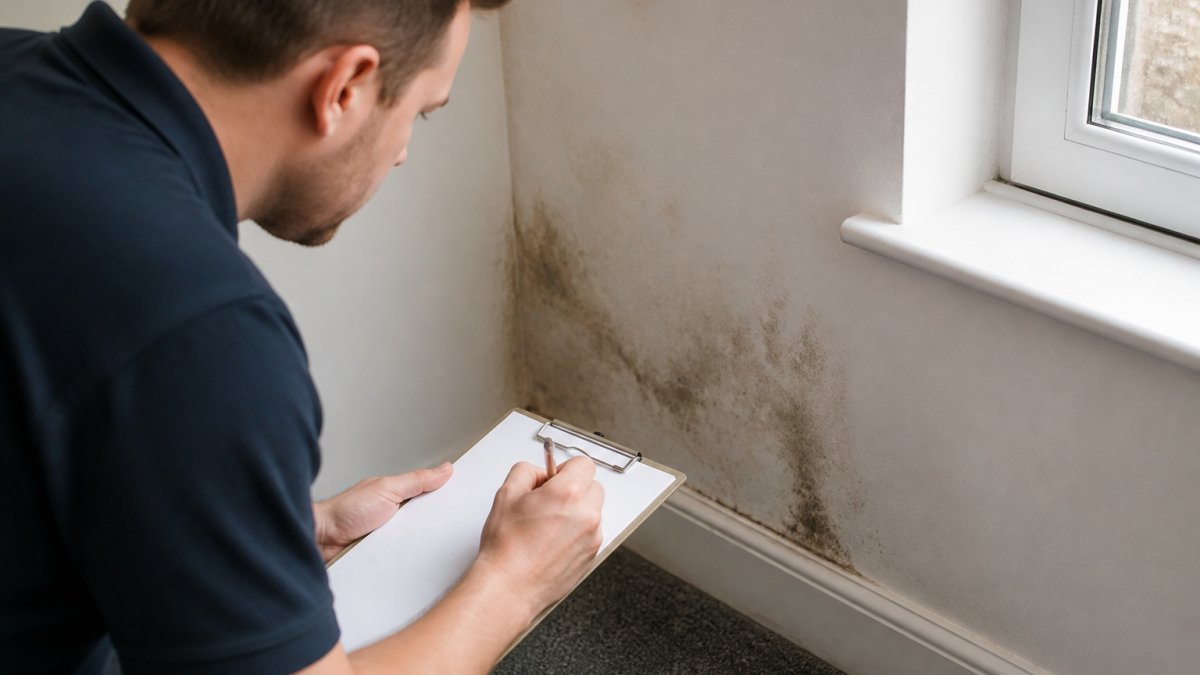
Why Black Mould Keeps Coming Back After Cleaning
The Difference Between Cleaning Mould and Fixing Damp
Find the Moisture Source Before You Treat Anything
Condensation, Penetrating Damp, or Rising Damp?
How to Reduce Condensation in the Home
Everyday Habits That Cut Indoor Moisture
Safe Removal: Killing Spores and Drying the Area
Protect Yourself Before You Touch Anything
Removal That Reaches the Roots
Drying Is Half the Job
When Cleaning Is Not Enough
The Best Mould Resistant Paint for Walls (and When to Use It)
Mould Prevention for Rented Properties
What Your Landlord Is Legally Required to Do
How to Report Mould So It Cannot Be Ignored
If Your Landlord Does Not Act
What You Can Reasonably Do Yourself
When to Call a Professional (DIY vs. Specialist Thresholds)
When to Call a Professional (DIY vs. Specialist Thresholds)
Frequently Asked Questions
Last Updated: September 28, 2026
Why Black Mould Keeps Coming Back After Cleaning
If you want to know how to stop black mould returning, start with one hard truth: bleach kills what you can see, not what causes it. Mould grows when moisture sits on a surface too long, and wiping it away removes the growth, not the conditions that fed it.
Watch Out Cleaning mould without fixing the damp is like mopping under a leaking tap. The patch will return, often within a single heating season, and each cycle damages plaster and paint further.
The Difference Between Cleaning Mould and Fixing Damp
Cleaning mould removes visible growth from a surface. Fixing damp removes the water supply that lets mould grow in the first place.
Find the Moisture Source Before You Treat Anything
Before buying fungicide, find out where the water is coming from. Mould needs spores, a food source, and moisture. Spores are everywhere and most surfaces feed it, so moisture is the one you control.

Walk your home and look for the clues:
Dark patches on external walls or ceilings
Peeling wallpaper or bubbling paint
A musty smell in one room but not others
Condensation on windows each morning
Damp patches near pipes, gutters, or the roof
Condensation, Penetrating Damp, or Rising Damp?
These three problems look similar but need very different fixes. Getting the diagnosis wrong wastes money.
Damp Type | Where It Shows | Typical Cause | Fix Approach |
Condensation | Windows, cold corners, ceilings | Poor ventilation, warm moist air | Extractor fans, air circulation |
Penetrating damp | External walls, around windows | Leaks, cracked render, failed seals | Repair leaks, damp proofing |
Rising damp | Lower walls, ground floor | Failed damp-proof course | Damp-proof course, specialist work |
How to Reduce Condensation in the Home
How to reduce condensation in the home comes down to two moves: cut the moisture you produce and remove the moisture already there. Do both and you starve the mould.
Spend Time, Save Money, DIY
Everyday Habits That Cut Indoor Moisture
Small changes add up fast. Try these:
Cover pans when cooking and use the extractor fan
Dry laundry outside or in a vented tumble dryer
Open windows briefly each morning to flush out damp air
Keep bathroom doors shut and run the fan during and after showers
Leave a gap between furniture and external walls for air circulation
Keep indoor relative humidity between 40% and 60% using a hygrometer
A hygrometer is a small, cheap device that measures relative humidity. It tells you whether your habits are working. If readings stay above 60%, mould will keep finding a home.
Pro Tip Check your hygrometer first thing in the morning. If it reads high after a night with windows shut, your bedroom has a ventilation problem, not a cleaning problem.
Safe Removal: Killing Spores and Drying the Area
Safety comes first. Black mould releases spores the moment you disturb it, and those spores can affect respiratory health, particularly for people with asthma, allergies, or a weakened immune system. That is why a botched removal job is worse than leaving the mould alone for a day while you prepare properly.
Protect Yourself Before You Touch Anything
Wear PPE that actually matches the job:
Gloves (nitrile or rubber, not thin disposable food gloves)
Eye protection, ideally sealed goggles rather than open glasses
A face mask rated for fine particles. A standard dust mask is not enough; look for an FFP3 rating, which filters fine particulates including mould spores
Old clothing you can wash at a high temperature afterwards, or a disposable coverall for larger jobs
Open a window for airflow and close the door so spores do not migrate. Never dry-brush or dry-sand mould, and do not vacuum it, as domestic vacuums exhaust fine particles back into the room.
Removal That Reaches the Roots
Non-porous surfaces (tiles, glass, sealed paint, metal, plastic):
Apply a cleaning solution of white vinegar or a dedicated anti-mildew spray
Leave it to work for at least 10 to 15 minutes so it penetrates the growth
Wipe with a damp cloth, not a dry one, to lift spores rather than scatter them
Rinse the cloth frequently or use a fresh section each pass
Dispose of the cloth in a sealed bag and wash your hands
Surface treatment will not reach mould grown into the material. On plasterboard, the paper facing feeds the mould and growth often extends behind it, so cutting out and replacing the section is usually the only reliable fix. On timber, mould can indicate rot underneath, a structural concern rather than a cleaning one. Silicone sealant is a common culprit: once mould has colonised it, replacement beats repeated scrubbing.
Drying Is Half the Job
Drying matters as much as cleaning. If the surface stays damp, surviving spores settle and regrow, often within days.
Use a dehumidifier alongside open windows, not instead of them
Aim to bring the surface back to a dry, touch-neutral state within 24 to 48 hours
Keep airflow moving across the area with a fan directed at the wall, not away from it
Recheck with a moisture meter before you consider the job finished
Watch Out If you or anyone in the household has asthma, a lung condition, or a compromised immune system, do not attempt removal yourself. Disturbing a mould colony can trigger a reaction even through a mask, and the health risk outweighs the saving. When Cleaning Is Not Enough There is a clear threshold where cleaning stops being the right tool. If mould returns within weeks of a thorough clean, covers more than roughly one square metre, or has soaked into plasterboard or timber, an ongoing moisture source is feeding it. The priority then shifts from removal to diagnosis. Book Free Call → The Best Mould Resistant Paint for Walls (and When to Use It) The best mould resistant paint for walls is a fungicidal or anti-mildew paint with additives that resist mould and mildew on the painted surface. Where it works well: Bathrooms and kitchens with good ventilation Walls that were damp but are now repaired Cold spots prone to surface condensation Where it fails: Walls with active penetrating or rising damp Areas with no ventilation Surfaces that are still wet when painted Mould Prevention for Rented Properties Mould prevention for rented properties works differently because you do not own the building. You cannot fit a damp-proof course, replace windows, or upgrade ventilation yourself. What you can do is understand your rights, build an evidence trail, and push for the root cause to be fixed rather than the symptom painted over. What Your Landlord Is Legally Required to Do Under the Homes (Fitness for Human Habitation) Act 2018, landlords in England must ensure rented homes are fit for human habitation. Damp and mould that affects health or safety falls squarely within that duty. This applies to private landlords as well as social landlords, and it applies throughout the tenancy, not just at the start. How to Report Mould So It Cannot Be Ignored Vague complaints get vague responses. Build a record that is hard to dismiss: Report in writing, by email or through the landlord's official portal, not by phone Photograph the mould with something for scale, such as a coin or ruler Note the date each photo was taken and whether the patch has grown Record humidity readings if you have a hygrometer, and note the room temperature Describe any health effects, such as coughing, wheezing, or worsening asthma, and the dates they started Ask explicitly for the moisture source to be identified, not just the visible mould cleaned Keep a copy of every message and every response, including dates If Your Landlord Does Not Act Escalation should be proportionate and documented: Send a formal written complaint referencing the fitness for habitation duty If the landlord is a social landlord, follow their internal complaints procedure and then escalate to the relevant ombudsman For private tenancies, contact your local council's environmental health team, who can inspect and, if needed, serve an improvement notice on the landlord Seek advice from a tenants' rights service or Citizens Advice before withholding rent, as withholding rent can put your tenancy at risk Do not stop paying rent to force a repair. It weakens your position and can lead to eviction proceedings. What You Can Reasonably Do Yourself While the structural fix is your landlord's responsibility, you can reduce condensation and limit the mould's spread meanwhile: Ventilate bathrooms and kitchens with extractor fans and brief window opening Keep bathroom doors shut during and after showers Avoid drying laundry indoors where possible, or use a vented tumble dryer Maintain steady heating rather than intermittent blasts, as cold surfaces encourage condensation Keep furniture slightly away from external walls to allow air circulation Report every new patch as it appears, so the pattern is on record If you are a tenant, your job is not to fix the building. It is to document the problem clearly, report it in writing, and insist on a root-cause repair. Cleaning and ventilating buy you time, but they are not a substitute for your landlord's legal duty. When to Call a Professional (DIY vs. Specialist Thresholds) When to Call a Professional (DIY vs. Specialist Thresholds) Call a professional when mould keeps returning after cleaning, the affected area exceeds roughly one square metre, or you cannot find the moisture source yourself. The damp is structural (penetrating or rising damp) Mould covers a large area or returns within weeks You or your family have respiratory symptoms The cause is unclear after your own checks The threshold is simple. If cleaning plus better ventilation does not stop the mould within a few weeks, the cause is structural. That is a job for a specialist, not another bottle of spray.
Frequently Asked Questions
Can black mould be removed permanently?
Yes, but only if you address the moisture source. Cleaning with a fungicide kills surface spores, but mould will return within weeks if condensation, leaks, or structural damp remain. Permanent removal means fixing the cause: improving ventilation, repairing leaks, or installing a damp-proof course. Once the moisture source is gone and surfaces stay dry, black mould cannot regrow. Most homeowners need a combination of better air circulation and targeted repairs rather than repeated cleaning alone.
Does painting over black mould stop it from returning?
No. Painting over active mould traps spores under the paint film, and they will break through as the paint degrades. You must kill the mould with a fungicide, dry the surface completely, then apply a dedicated anti-mould paint or primer. The best mould resistant paint for walls contains a fungicidal additive that inhibits regrowth, but it is not a substitute for fixing damp. Use it as a final barrier after the moisture problem is solved.
What are the legal responsibilities for landlords regarding mould?
Under the Homes (Fitness for Human Habitation) Act 2018 and the Housing Health and Safety Rating System, landlords must ensure rental properties are free from serious damp and mould hazards. The Decent Homes Standard and Awaab's Law further strengthen tenant protections. If you rent and mould persists after reporting it, your landlord is legally obligated to investigate and repair the root cause. Keep written records of all communication and contact your local council's environmental health team if nothing is done.
How do I reduce condensation in my home to stop mould?
Reduce condensation by improving ventilation and controlling moisture at the source. Use extractor fans in kitchens and bathrooms, keep trickle vents open, and avoid drying laundry indoors without ventilation. A hygrometer helps you monitor relative humidity and keep it below 60%. Installing a positive input ventilation system or a dehumidifier can help in poorly ventilated rooms. Insulating cold spots and thermal bridging also raises surface temperatures, which reduces the dew point risk where condensation forms.
Book Free Call

Comments