
How to Improve Home Ventilation: A 2026 Guide
Table of Contents
What You'll Need Before You Start
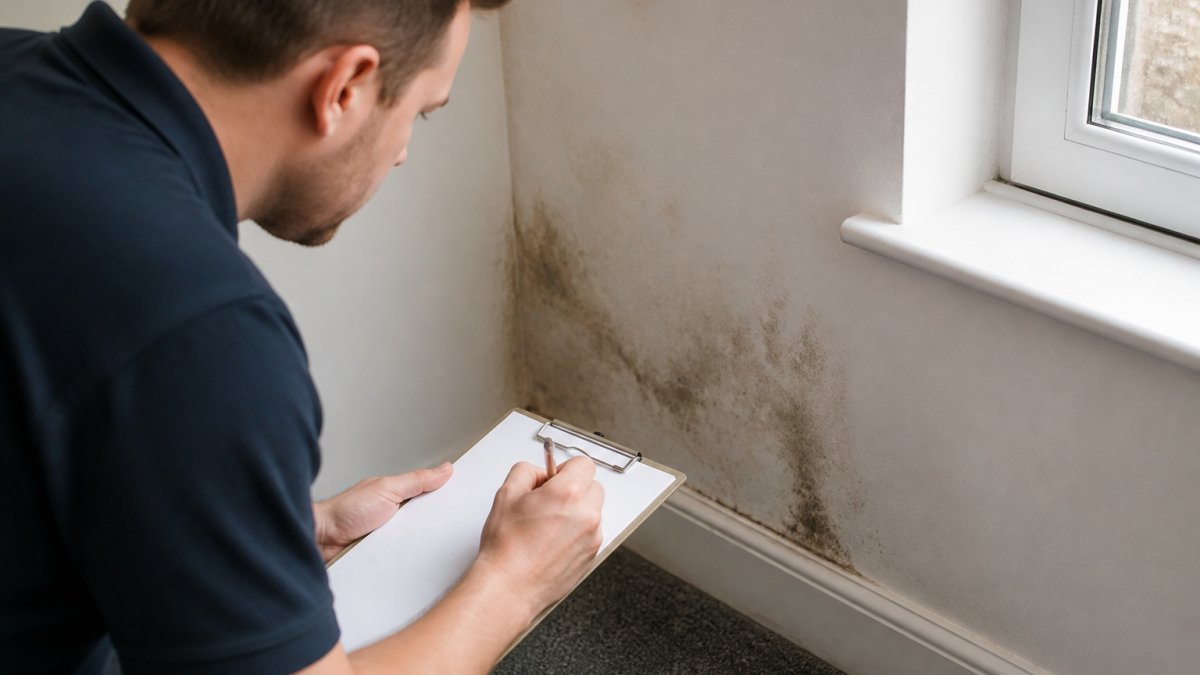
Step 1: Assess Your Home's Ventilation and Spot the Warning Signs
Room-by-Room Ventilation Check
Step 2: Open Windows and Use Cross-Ventilation Techniques
Step 3: Run Exhaust Fans in Kitchens and Bathrooms
The Benefits of Trickle Vents for Year-Round Airflow
Ventilation Without Losing Heat: The Real Trade-Off
Keeping Trickle Vents Working
The Best Way to Stop Window Condensation
How to Reduce Humidity in a House
Using Portable Air Cleaners and Smart Monitors
What Smart Monitors Actually Measure
Turning Monitors into Automated Ventilation
Where These Tools Fall Short
Frequently Asked Questions
Last Updated: September 25, 2026
What You'll Need Before You Start
Improving home ventilation starts with a few basic tools and a little knowledge. You do not need to spend much to make a real difference to your indoor air quality.
Gather these items before you begin:
A hygrometer to measure humidity levels
A notebook or phone for tracking damp spots
Basic cleaning supplies for vents and fans
A torch to check dark corners and loft spaces
Condensation and mould often keep coming back because the root cause was never fixed. This guide shows you how to assess your home properly and take action.
Key Takeaway Ventilation is not about keeping your home cold. It is about moving stale, moist air out and letting fresh air in, without losing too much heat.
Step 1: Assess Your Home's Ventilation and Spot the Warning Signs
You cannot fix a ventilation problem until you know where it is. Most homes have at least one weak spot.

Condensation on windows in the morning
Black mould spots on walls, ceilings, or window frames
A musty smell in certain rooms
Damp patches behind furniture
Peeling paint or wallpaper
Room-by-Room Ventilation Check
Different rooms have different needs. Here is how to check each one:
Room | What to Check | Warning Sign |
Kitchen | Extractor fan working, windows open when cooking | Grease build-up on fan, steam lingering |
Bathroom | Extractor fan, window restrictors | Mould on grout, mirrors stay foggy |
Bedroom | Trickle vents open, windows not blocked | Morning condensation, damp pillows |
Living room | Air flow between rooms, furniture placement | Stuffy air, musty smell |
Loft | Insulation not blocking eaves, air leakage | Damp rafters, poor air exchange rate |
Step 2: Open Windows and Use Cross-Ventilation Techniques
Cross-ventilation is the cheapest and fastest way to improve home ventilation. It works by opening windows on opposite sides of your home to create a flow of fresh air.
How to Improve Ventilation in Your Home | Importance of House Ventilation | House Ventilation System
How to make my house
Here is how to do it well:
Open windows on two sides of the house, not just one
Keep interior doors open so air can move between rooms
Aim for 10-15 minutes of full air exchange, two to three times a day
Use window restrictors on upper floors for safety
Pro Tip Open your bedroom windows for 10 minutes before bed and again in the morning. This simple habit reduces carbon dioxide levels and helps you sleep better.
Step 3: Run Exhaust Fans in Kitchens and Bathrooms
Exhaust fans remove moisture at the source. They are your first line of defence against damp and mould.
Check your fans regularly:
Clean the grille every few months
Listen for unusual noises
Test the suction with a piece of tissue
Replace old units that no longer pull air
The Benefits of Trickle Vents for Year-Round Airflow
Trickle vents are small openings built into window frames. They let a steady trickle of fresh air in without draughts, and they are the simplest way to keep air moving when windows are shut.
Key benefits of trickle vents include:
Continuous fresh air intake, even with windows closed
Less condensation on windows and cold walls
Better humidity levels in every room
No need to leave windows open in cold weather
Quieter than opening windows near busy roads
Background ventilation that meets building requirements for habitable rooms
Ventilation Without Losing Heat: The Real Trade-Off
This is the question most guides dodge: does letting air in mean letting heat out? The honest answer is yes, but far less than an open window, and there are ways to reduce it further.
Open windows (short bursts): Fastest air change, biggest heat loss per event, but only for 10-15 minutes.
Trickle vents: Slow continuous air change, low heat loss per hour, no control over rate.
Extractor fans: Remove moisture at source, pull in replacement air through vents and gaps, moderate heat loss.
MVHR (mechanical ventilation with heat recovery): Recovers most of the heat from outgoing air and transfers it to incoming air. Lowest heat loss of all, highest upfront cost and complexity.
Key Takeaway The goal is not zero heat loss. It is the least heat loss for the air change you actually need. Trickle vents and heat-recovery systems get you there; wide-open windows in January do not.
Keeping Trickle Vents Working
A trickle vent that is painted shut, blocked by a curtain, or clogged with dust is doing nothing. Check each one seasonally: slide it open and closed, wipe the slot, and make sure furniture and curtains are not covering it. If the vent has a filter, clean or replace it as the manufacturer advises.
The Best Way to Stop Window Condensation
The best way to stop window condensation is to reduce indoor moisture and improve air flow at the same time. Condensation forms when warm, moist air meets a cold surface, like glass.
Here is what actually works:
Lower humidity levels with better ventilation and less moisture in the air
Keep windows and frames warm by improving insulation and reducing heat loss
Use extractor fans in kitchens and bathrooms every time
Open windows briefly each day, even in winter
Dry laundry outside or in a well-ventilated room
How to Reduce Humidity in a House
To reduce humidity in a house, you need to cut down the amount of moisture you add and remove what is already there.
Common sources of indoor moisture include:
Cooking and boiling kettles
Showers and baths
Drying clothes indoors
Breathing (a family of four adds several litres of water vapour a day)
Leaks and rising damp
Practical steps to lower humidity:
Cover pans when cooking
Take shorter, cooler showers
Vent tumble dryers outside
Fix leaks quickly
Use a dehumidifier in problem rooms
Watch Out Painting over mould without fixing the moisture source will not work. The mould will return within weeks, often worse than before.
Using Portable Air Cleaners and Smart Monitors
Portable air cleaners and smart monitors help you manage air quality in specific rooms. They are useful tools, but they are not a replacement for proper ventilation. The real upgrade is linking them together so your home ventilates itself when it needs to.
What Smart Monitors Actually Measure
A good indoor air quality monitor tracks the numbers that tell you when to ventilate:
Relative humidity (the key driver of condensation and mould)
Carbon dioxide, which rises when a room is sealed and occupied
Volatile organic compounds from cleaning products, paints, and new furniture
Particulate matter (PM2.5 and PM10)
Temperature
Turning Monitors into Automated Ventilation
This is where most guides stop, and where a modern setup pulls ahead. The principle is simple: let the sensor trigger the fan, rather than relying on you to remember.
Common ways to automate:
Humidity-triggered extractor fans. Many modern bathroom and kitchen fans have a built-in humidistat. You set a threshold (often around 60-70% relative humidity) and the fan runs itself until the air dries out. No more guessing how long to leave it on.
Smart switches and relays. A smart relay wired to an existing extractor fan lets a monitor or app control it. You can set rules such as "run the bathroom fan for 20 minutes whenever humidity exceeds 65%."
Linked sensors and fans. Some systems pair a room sensor with a fan or trickle vent so the two talk to each other. When carbon dioxide or humidity crosses your limit, the fan boosts automatically.
Whole-house mechanical ventilation with demand control. MVHR (mechanical ventilation with heat recovery) systems can run at a low background rate and boost when a sensor calls for it. This is the most effective option for a sealed, well-insulated home.
Pro Tip Set your humidity trigger at 60% rather than 70%. Mould risk climbs sharply above 70%, and a lower threshold gives the fan time to act before condensation forms on cold surfaces.
Where These Tools Fall Short
Smart kit does not fix a structural problem. If you have rising damp, a leaking roof, or blocked eaves, no sensor will solve it. Monitors are diagnostic and control tools, not treatments.
Frequently Asked Questions
What are the signs that my house is poorly ventilated?
Common signs include condensation on windows and cold surfaces, black mould growth in corners and around frames, a stuffy or damp smell, and persistent damp patches. You may also notice high humidity, peeling paint, or musty odours in wardrobes. These signals mean moisture is trapped and air exchange is too low, so improving home ventilation should be a priority to prevent structural damage and protect your health.
How many minutes a day should you air out your house to prevent mould?
Aim for 10 to 15 minutes of full ventilation two to three times daily, ideally in the morning and evening. Open windows on opposite sides of the home to create cross-ventilation. In colder months, short bursts are more efficient than leaving windows open all day, as this reduces heat loss while still removing moisture. Pair this with trickle vents for continuous background airflow.
Do wall vents and trickle vents actually help with damp?
Yes, trickle vents provide a constant, controlled fresh air intake that helps dilute indoor moisture and pollutants without draughts. They are particularly effective in newer, airtight homes where natural air leakage is minimal. However, they work best alongside extractor fans in wet rooms and consistent habits like covering pans. For severe damp, a professional assessment can confirm whether additional measures are needed.
How can I improve ventilation without increasing my heating bills?
Use short, focused bursts of cross-ventilation rather than leaving windows open for hours. Fit trickle vents to maintain background airflow with minimal heat loss. Run extractor fans during and after cooking or showering, and keep internal doors open to allow air to circulate. Smart humidity monitors can tell you when to ventilate, so you only act when needed. These steps improve home ventilation while keeping energy use in check.
Persistent damp and mould are frustrating, especially when you have tried everything. The real fix is finding the root cause and addressing it properly, not just treating symptoms. Dri-House offers expert damp and mould treatments, ventilation systems, and window and door upgrades, all backed by decades of combined industry experience. Book a free call with Dri-House and get honest, practical advice for a healthier, more energy-efficient home.
Book Free Call

Comments