
Causes of Condensation on Windows: Fix the Root Cause
Table of Contents
Causes of Condensation on Windows: The Basics
What Is Condensation and Why It Forms
Interior, Exterior, and Between-Pane Condensation: What Each One Tells You
Common Causes of Indoor Humidity That Drive Window Condensation
Everyday Moisture Sources in the Home
How to Tell Which Source Is Yours
Temperature Imbalance, Cold Spots, and Thermal Bridges
The Role of Relative Humidity and Dew Point
The Best Way to Stop Window Condensation
Ventilation, Extractor Fans, and Trickle Vents
Room-by-Room Ventilation
When to Worry About Window Seals and Double Glazing
The Trade-Off: Heat Loss vs Damp
How to Reduce Humidity in a House
Using a Hygrometer and Dehumidifier Effectively
Smart Home Integration for Humidity Control
Benefits of Positive Input Ventilation for Condensation
How PIV Works and Where It Fits Best
The Health Risks of Long-Term Mould Growth
Window Treatment Impact: Blinds, Curtains, and Air Circulation
Conclusion
Frequently Asked Questions
Last Updated: October 4, 2026
Causes of Condensation on Windows: The Basics
Most causes of condensation on windows come down to a moisture problem, not a window fault: warm, damp indoor air hits cold glass, cannot hold its water vapour, and dumps droplets on the pane.
Condensation is water vapour turning back into liquid when it meets a surface cold enough to push the air past its dew point.
Three things have to line up:
Air carrying enough moisture
A surface cold enough to cool that air
Poor air circulation keeping the two in contact
Remove any one and the droplets stop forming.
What Is Condensation and Why It Forms
Every home produces water vapour just by existing. Cooking, showering, drying clothes and breathing add moisture, a family of four can add several litres a day.
Warm air holds more water vapour than cold. When air touches a cold pane it cools fast, and the water it can no longer hold appears as droplets. That temperature is the dew point: below it you get water, above it clear glass.
Interior, Exterior, and Between-Pane Condensation: What Each One Tells You
The location of the droplets tells you what is wrong.
Interior condensation forms on the inside of the glass, pointing to high indoor humidity, poor ventilation or cold surfaces.
Exterior condensation forms on the outside of the pane, often in the morning.
Between-pane condensation forms inside a sealed double glazing unit, meaning the seal has failed.
Common Causes of Indoor Humidity That Drive Window Condensation
Indoor humidity is the root cause in most homes, not the windows. Find the moisture source and you have found the fix.
Everyday Moisture Sources in the Home
Every activity that uses hot water or dries something wet adds water vapour, and the amounts stack up fast:
Showering, a ten-minute hot shower adds roughly half a litre of water vapour. Without a working extractor fan, most of that migrates into the rest of the house.
Cooking, boiling pasta, rice or potatoes for twenty minutes releases a similar amount. A pan lid and an extractor hood on its highest setting capture most of it.
Drying laundry indoors, a single load of washing can release two to three litres of water as it dries. A heated airer in a closed room is one of the most reliable ways to create a condensation problem.
How to Tell Which Source Is Yours
The pattern of condensation tells you where to look.
Worst in the morning, clears by mid-day, overnight breathing and any laundry left drying. Check bedrooms and the landing.
Worst after a shower, clears when the window is opened, bathroom extraction is the issue. The fan may be undersized, blocked, or not running long enough.
Worst after cooking, kitchen extraction. A recirculating hood that filters grease but does not vent outside will not remove moisture.
If you cannot pin it to one room, the source is likely background, damp, a leak, or too much moisture for the ventilation the house has.
Temperature Imbalance, Cold Spots, and Thermal Bridges
Cold surfaces attract condensation. A thermal bridge is a spot where heat escapes easily, leaving that patch colder than its surroundings, common culprits are window frames, corners, wall ties and wall-to-floor or wall-to-ceiling junctions.
Cold spots cool the air next to them and give water vapour a place to land, so a room can have fine average humidity and still show droplets in one cold corner.
Watch Out Painting over or sealing a cold, damp window reveal traps moisture behind the surface. It hides the symptom while the damp keeps working on the plaster and frame underneath.
The Role of Relative Humidity and Dew Point
Relative humidity is the percentage of water vapour the air holds compared to the maximum it could hold at that temperature.
The dew point is the temperature at which air can no longer hold its moisture and starts to condense.
This is why the same house can be fine in summer and streaming in winter: the moisture load has not changed, but the glass is colder, so the dew point is reached more easily.
The Best Way to Stop Window Condensation
The best way to stop window condensation is to control moisture at the source and keep air moving, lower the humidity and warm cold surfaces.

Managing indoor humidity levels remains the most effective strategy for preventing moisture buildup, though you should also address structural vulnerabilities like the need to
stop subfloor dampness
to ensure your home remains entirely dry.
Ventilation, Extractor Fans, and Trickle Vents
Ventilation swaps damp indoor air for drier outdoor air. Even cold outdoor air is usually drier than a steamy bathroom, so it dries the room as it comes in.
There are three ways to ventilate, and most homes need a mix:
Extract ventilation, fans in kitchens and bathrooms pull damp air out. This is the most targeted fix.
Background ventilation, trickle vents, air bricks and window vents let a small, constant amount of air move through the building fabric.
Purge ventilation, opening windows wide for a short burst to clear a room quickly.
Practical steps that work:
Run the extractor fan during and for 15 minutes after a shower; a timer or humidity sensor does this without you remembering.
Use a pan lid and an extractor hood when cooking, one that vents outside beats a recirculating one.
Keep trickle vents open even in winter; they cost little in heat loss compared to damp damage.
Leaving trickle vents shut is one of the most common mistakes we find on site.
Room-by-Room Ventilation
Different rooms need different approaches.
Bathroom, an extractor fan sized to the room, ideally on a humidity sensor or timer. Keep the door closed while showering, then leave the fan running.
Kitchen, an extractor hood vented to the outside. If you cannot fit one, open a window while cooking and for ten minutes after.
Bedroom, trickle vents open overnight, and avoid drying laundry in here. Bedrooms are where overnight breathing moisture accumulates.
When to Worry About Window Seals and Double Glazing
Worry when the moisture is inside the sealed unit. Between-pane condensation means a failed seal that will not clear on its own, a glazing fault, not a ventilation one.
Watch for these signs:
Mist or droplets trapped between the two panes
A cloudy or hazy look that never clears
Visible damage or gaps in the frame sealant
A quick test: wipe the inside of the glass dry, then check again in an hour. If the moisture returns on the room side, it is humidity.
Pro Tip If you have a mix of old and new windows, the newer ones will often show condensation first. That is not a fault, it is because the new glazing is more airtight, so moisture that used to escape through draughts now lands on the glass. The fix is ventilation, not replacement.
The Trade-Off: Heat Loss vs Damp
Every ventilation fix moves warm air out of the house, which costs money, but it is usually cheaper than the alternative. A home with persistent condensation and no ventilation will grow mould, damage plaster and frames and worsen indoor air quality, and fixing that almost always costs more than the extra heating needed to compensate.
The sensible balance is background ventilation running constantly (trickle vents, a PIV unit, or a mechanical ventilation system) plus targeted extract in wet rooms, keeping humidity in the healthy 40% to 60% band.
How to Reduce Humidity in a House
Reducing humidity in a house comes down to three levers: cut the moisture you add, remove the moisture already there, and keep the air moving.
Using a Hygrometer and Dehumidifier Effectively
A hygrometer measures relative humidity as a percentage. It is the cheapest diagnostic tool you can buy and tells you whether you have a real problem or just a cold morning.
Aim to keep indoor relative humidity between 40% and 60%. Above that, mould and dust mites thrive and condensation gets worse.
A dehumidifier pulls water out of the air. It works well in a single problem room, but treats the symptom, not the source.
Smart Home Integration for Humidity Control
Smart humidity control takes the guesswork out of the daily routine: a sensor can trigger an extractor fan or dehumidifier automatically when levels climb. Most people only notice damp air when they see droplets, by which point the moisture has already built up, a sensor catches it earlier.
Simple setups that help:
A smart humidity sensor linked to a bathroom extractor fan
A dehumidifier on a smart plug that runs when humidity rises
A monitor that logs levels so you can spot the pattern
Benefits of Positive Input Ventilation for Condensation
Positive input ventilation), or PIV, is one of the most effective whole-home fixes for persistent condensation, pushing filtered air through the property to keep air moving and moisture down.
How PIV Works and Where It Fits Best
PIV units sit in a loft or on a wall and feed a steady supply of fresh, filtered air into the home. That constant gentle pressure pushes damp, stale air out through natural gaps and vents.
It suits homes that have tried the basics and still struggle: older properties, flats with no cross-ventilation and homes with recurring condensation.
The Health Risks of Long-Term Mould Growth
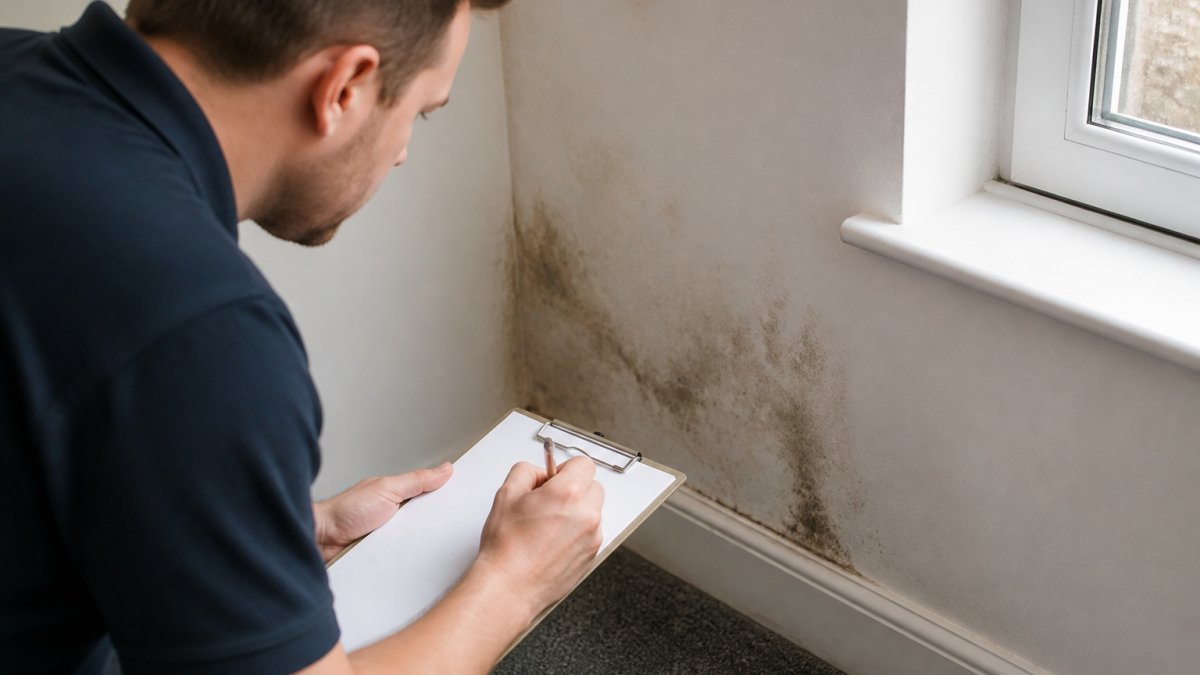
Left alone, condensation feeds mould spores that grow on cold walls and window reveals, where the real cost shows up, well beyond a bit of cleaning.
Long-term damp and mould can worsen asthma and allergies, irritate airways, and affect sleep. UK Health Security Agency guidance on damp and mould sets out the risks clearly.
The fix is not a stronger cleaner. It is removing the moisture that feeds the mould in the first place.
Window Treatment Impact: Blinds, Curtains, and Air Circulation
Blinds and curtains can help or hurt depending on use. Closed blinds trap warm air against cold glass, and heavy curtains drawn tight do the same while hiding mould on the fabric and lining.
A few habits make a real difference:
Open blinds and curtains in the morning to let air reach the glass
Keep furniture and curtains clear of radiators so heat can circulate
Fit blinds with a gap at the top and bottom to allow airflow
Warm the glass, move the air, and the droplets stop forming.
Conclusion
Persistent condensation is a signal, not a nuisance. It tells you your home is holding too much moisture, and ignoring it leads to mould, damaged frames and poorer indoor air quality. If cleaning, wiping and opening windows has brought no lasting result, book a free call and we will show you what is actually driving it.
Frequently Asked Questions
How do you stop condensation on windows?
Stop window condensation by cutting the moisture that reaches the glass and improving airflow. Use extractor fans in the kitchen and bathroom, keep trickle vents open, and avoid drying laundry indoors without ventilation. A hygrometer helps you track relative humidity; keep it between 40% and 60%. If condensation persists after these steps, the cause may be a ventilation shortfall or failed window seals, which is worth having assessed by a specialist.
Does condensation on windows mean the house is too cold?
Not necessarily. Condensation forms when warm, moisture-laden air meets a surface below its dew point. A cold window increases the chance of condensation, but the main driver is usually excess indoor humidity from cooking, showering, and drying clothes. Improving insulation and heating reduces cold spots, but lowering moisture levels is the more effective long-term fix.
Should you wipe condensation off windows?
Wiping condensation off windows is a short-term measure, not a solution. It stops water pooling on sills and running into frames, but the moisture returns unless you address the source. Persistent wiping without tackling humidity can mask a bigger problem, including damp and mould growth. Use a cloth or squeegee to manage it while you improve ventilation and reduce moisture at the source.
Can poor ventilation cause window condensation?
Yes. Poor ventilation traps water vapour indoors, raising relative humidity until it condenses on cooler surfaces such as glass. Extractor fans, trickle vents, and positive input ventilation all help move moist air out and bring drier air in. If your home has none of these, or they are blocked or switched off, window condensation is likely to keep returning regardless of how much you heat the property.
Book Free Call

Comments