
Preventing Mould in Rented Properties: A Guide
Table of Contents
Why Mould Grows in Rented Properties
Signs of Condensation in a House and Early Mould Detection
Diagnosing the Root Cause: Structural Damp vs. Condensation
Landlord Responsibilities for Damp and Mould
How to Report Damp to Landlord: Template and Process
Tenant Actions to Reduce Mould Risk
Best Dehumidifiers for Rental Properties
When a Dehumidifier Makes Sense
How Dehumidifiers Work and What to Expect
Choosing and Using a Dehumidifier Effectively
Documenting Dehumidifier Use for Landlord Disputes
Cost-Benefit Reality Check
Safe Mould Removal and Cleaning
Health Risks and When to Seek Professional Help
Frequently Asked Questions
Last Updated: September 20, 2026
Why Mould Grows in Rented Properties
Preventing mould in rented properties starts with understanding why it thrives, the conditions that cause it are often invisible until the damage is visible. Rising damp seeps through foundations. Penetrating damp enters through external walls. Condensation forms on cold surfaces where warm, moisture-laden air meets poor ventilation. Each of these creates the environment mould needs to spread.
The problem is often structural, not behavioural. A 1950s property with inadequate damp-proof course and poor thermal bridging will grow mould despite tenant efforts. Many blame lifestyle choices when the building itself is the culprit.
If mould keeps returning despite your efforts, you're likely fighting a structural defect. Professional assessment becomes essential.
Watch Out Ignoring early mould signs leads to structural damage that costs far more to repair later. Black mould spores can also trigger respiratory health issues, particularly in children and people with asthma.
Signs of Condensation in a House and Early Mould Detection
Condensation appears first on windows and cold walls in the morning, signalling high relative humidity and inadequate air circulation.
Surface mould appears as black spots on window frames, ceiling corners, and external walls. Early detection saves effort and expense.
Surface mould can be cleaned with appropriate products. Penetrating fungal growth requires remedial action at the source: improving ventilation, reducing moisture, or treating structural damp. Relative humidity above 60% indicates moisture problems.
Diagnosing the Root Cause: Structural Damp vs. Condensation
The diagnosis determines who is responsible for fixing it. Understanding structural damp versus condensation-driven mould is essential before reporting to your landlord.
Condensation (tenant-manageable with landlord support):
Appears on cold surfaces: windows, external walls, mirrors, bathroom tiles
Worst in winter mornings; improves with window opening or heating
Surface-level mould that returns quickly if moisture isn't controlled
Structural damp (landlord responsibility):
Rising damp: appears at skirting level (0.5-1.5 metres) with tide marks or musty smell; doesn't improve with ventilation alone
Penetrating damp: appears on external walls in patches, worsens during rain
Water ingress: appears near windows, doors, roof junctions, or pipe entries
Persists despite ventilation and heating efforts
Quick diagnostic checklist:
When? Winter mornings on windows that improve with heating = condensation. Year-round on lower walls = structural damp.
Where? Condensation on cold surfaces. Rising damp at skirting level. Penetrating damp on external walls in patches.
Does ventilation help? Open windows and heat for a week. If mould slows, it's condensation. If it persists, suspect structural damp.
Musty smell? Suggests rising damp or trapped moisture.
Damp walls? Structural damp leaves walls cold and slightly damp.
Recent water damage? Leaks trigger mould within days and require urgent landlord attention.
If your diagnosis points to structural damp, this is a landlord legal obligation under the Housing Health and Safety Rating System. Document with photographs and report formally in writing. If condensation is primary, your ventilation and heating efforts matter, but structural improvements remain the landlord's responsibility.
Pro Tip Check hidden areas monthly: behind furniture, inside wardrobes, under sinks, and in cupboards under stairs. Mould often grows in places you don't see until it's widespread. Early detection prevents it from becoming a health hazard. If mould appears in multiple rooms or returns despite your efforts, photograph the pattern and location, this evidence helps distinguish structural damp from condensation when you report it.
Landlord Responsibilities for Damp and Mould
Under the Housing Health and Safety Rating System, landlords must ensure rental properties are free from damp and mould hazards (Understanding and addressing the health risks of damp and mould in the home). This is a legal obligation; ignoring reported damp risks enforcement action.
Landlords are responsible for structural defects: failing damp-proof course, cracks in external walls, damaged roof tiles, or blocked gutters, and for maintaining adequate heating and ventilation systems.
Tenants are responsible for reasonable day-to-day use: ventilating after showers, not blocking air vents, and heating adequately. This responsibility ends where structural limitations begin; a tenant cannot ventilate away rising damp or fix thermal bridging alone.
How to Report Damp to Landlord: Template and Process
Reporting damp formally protects you. A written report creates accountability and a timeline.
Step 1: Document the problem. Photograph condensation, mould, and damp patches with date and time. Note when you first noticed it and whether it's spreading.
Step 2: Send a written report via email. Include specific location, date first noticed, how it has changed, attached photographs, steps you've taken, and a 7-14 day deadline for inspection.
Template letter:
Key Takeaway A written report with photographs is your strongest protection. It establishes that you reported the problem, when you reported it, and what condition the property was in. This matters if the dispute escalates.
Tenant Actions to Reduce Mould Risk
Reducing relative humidity and improving air circulation slow mould growth and buy time for landlord repairs.

Ventilation and Air Circulation
Heating and Thermal Control
Best Dehumidifiers for Rental Properties
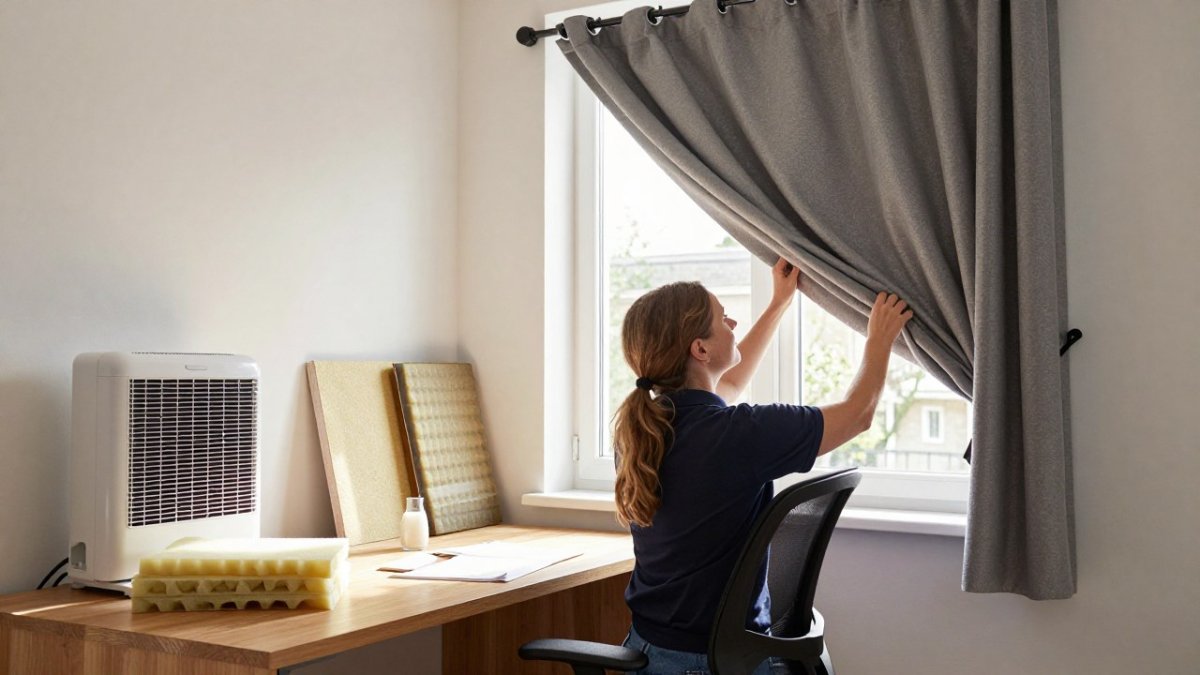
A dehumidifier removes moisture from the air, slowing mould growth. It's a temporary measure, not a solution to structural damp.
When a Dehumidifier Makes Sense
Dehumidifiers are most effective in these scenarios:
Condensation-driven mould in a well-sealed property: If your home has poor ventilation (few windows, no extractor fans, or sealed frames), a dehumidifier can meaningfully reduce relative humidity while you work with your landlord to improve ventilation.
Temporary relief during structural repairs: If your landlord has acknowledged a damp problem and repairs are scheduled, a dehumidifier can reduce mould growth and health risks during the waiting period.
High-moisture lifestyle in a cold property: If you have multiple people in a small space, cook frequently, or dry laundry indoors, and the property lacks heating or ventilation, a dehumidifier addresses the symptom while you address the cause.
Localised condensation in one room: Bedrooms and bathrooms are prone to condensation. A dehumidifier in a single room is more cost-effective than trying to treat the whole property.
Dehumidifiers are less effective if:
Your property has adequate heating (18°C+) and you're opening windows regularly.
Structural damp is the primary cause; a dehumidifier runs constantly without addressing the root issue.
Your landlord has refused repairs; buying one may reduce your evidence for enforcement action.
How Dehumidifiers Work and What to Expect
Refrigerant dehumidifiers (most common): Work best above 15°C; quieter and more efficient. Capacity: 10-20 litres/day for bedrooms, 20-30 for larger spaces. Running cost: £0.10-£0.30/day.
Choosing and Using a Dehumidifier Effectively
Capacity: A bedroom needs 10-15 litres/day; a bathroom needs 8-12 litres/day.
Documenting Dehumidifier Use for Landlord Disputes
If you're using a dehumidifier because your landlord has refused to address damp, document this:
Keep receipts for the dehumidifier and running costs (electricity usage)
Record humidity readings weekly with a hygrometer
Take photographs of the dehumidifier in use and the water it removes
Note in writing to your landlord that you've purchased a dehumidifier because the property lacks adequate ventilation or heating, and that this is a temporary measure while awaiting repairs
Cost-Benefit Reality Check
Before buying a dehumidifier, calculate whether it's worth the expense:
Cost: £150-£400 for a decent refrigerant model
Running cost: £2-£5 per week for continuous use
Lifespan: 5-10 years if maintained
Total annual cost: £250-£600 (purchase amortised plus electricity)
Key Takeaway A dehumidifier is a temporary aid, not a permanent fix. Use it to manage condensation while you work with your landlord on structural improvements, or to buy time during repairs. If you're running one continuously and mould keeps returning, the building itself needs attention. Document your use and costs; this evidence supports your case if you need to escalate the dispute.
Safe Mould Removal and Cleaning
For surface mould: Use one part white vinegar to one part water or a commercial cleaner. Spray, wait 10 minutes, and wipe. Ensure ventilation and wear gloves.
Health Risks and When to Seek Professional Help
Mould spores trigger respiratory issues: asthma, allergies, and bronchitis. Children, elderly people, and those with existing respiratory conditions are most vulnerable.
Seek professional help when:
Mould returns repeatedly despite cleaning and improved ventilation
Mould covers more than 1 square metre
You suspect structural damp
Household members have respiratory symptoms correlating with indoor time
Frequently Asked Questions
What are the legal responsibilities of landlords for damp and mould in rented properties?
Under the Homes (Fitness for Human Habitation) Act 2018, landlords must ensure rental properties are free from damp and mould that poses a risk to health and safety. This includes addressing structural defects causing rising damp, penetrating damp, or condensation. Landlords must carry out remedial action within a reasonable timeframe after a tenant reports the issue. Failure to do so may breach the tenancy agreement and housing standards, potentially exposing landlords to enforcement action by local authorities.
How do I know if signs of condensation in a house mean I have a mould problem?
Condensation appears as water droplets on windows and mirrors, especially in bathrooms and kitchens. While condensation itself isn't mould, it creates moisture that feeds fungal growth. If you notice black mould spots appearing on walls, ceilings, or around window frames shortly after condensation forms, moisture levels are too high. A hygrometer can measure relative humidity; readings above 60-70% indicate conditions favourable for mould. Early detection prevents spores from spreading and affecting respiratory health.
What should I include in a template letter to report damp to my landlord?
Your letter should state the date you first noticed the issue, describe the location and type of damp (condensation, rising damp, or penetrating damp), note any visible mould or black spots, and explain how it affects your health or comfort. Request a specific timeframe for inspection and remedial action. Keep a copy for your records and send it by email or registered post for evidence. Include photos if possible. A clear, dated communication protects your rights and creates a record if the landlord fails to respond.
Are dehumidifiers enough to prevent mould in a rental property?
Dehumidifiers reduce moisture levels and can help control condensation, but they're not a complete solution. They work best alongside improved ventilation, heating, and air circulation. If mould stems from structural defects like rising damp or penetrating damp, a dehumidifier alone won't address the root cause. They're most effective for temporary moisture control in poorly ventilated areas. For persistent mould problems, professional assessment of the building's damp-proof course and structural integrity is essential.
Book Free Call

Comments